Can I use Braille on ordinary hang tags for the visually impaired?
Leave a message

As a supplier of ordinary hang tags, I've often pondered the question: Can I use Braille on ordinary hang tags for the visually impaired? This isn't just a technical query; it's a matter of inclusivity, social responsibility, and tapping into a market that's often overlooked.
The Feasibility of Adding Braille to Hang Tags
Let's start by understanding the basics of Braille. Braille is a tactile writing system used by people who are blind or visually impaired. It consists of patterns of raised dots representing letters and numbers. The idea of integrating Braille into ordinary hang tags seems promising at first glance. After all, hang tags are commonly used on products, and adding Braille could provide vital information to the visually impaired about the product, such as its name, size, care instructions, and more.
From a technical perspective, creating Braille on hang tags is entirely possible. There are several methods available. One common approach is embossing. Embossing involves pressing the hang tag material to create raised dots that form the Braille characters. This method works well with various materials used for ordinary hang tags, including paper, cardboard, and some plastics. For instance, if you're using a thick paper hang tag, embossing can create clear and distinct Braille dots that are easy to read.
Another option is printing with a special tactile ink. This ink creates a raised texture when it dries, mimicking the feel of Braille dots. It's a more flexible option as it can be used on a wider range of materials, including those that might not be suitable for embossing, like thin films. You can learn more about different types of hang tags, including Multi Color Printed Hang Tag and Film Hang Tag, on our website.
Benefits of Using Braille on Hang Tags
The benefits of adding Braille to ordinary hang tags are numerous. Firstly, it promotes inclusivity. By providing information in a format that the visually impaired can access, we're making products more accessible to a broader audience. This not only enhances the user experience for the visually impaired but also sends a positive message about the brand's commitment to diversity and equality.

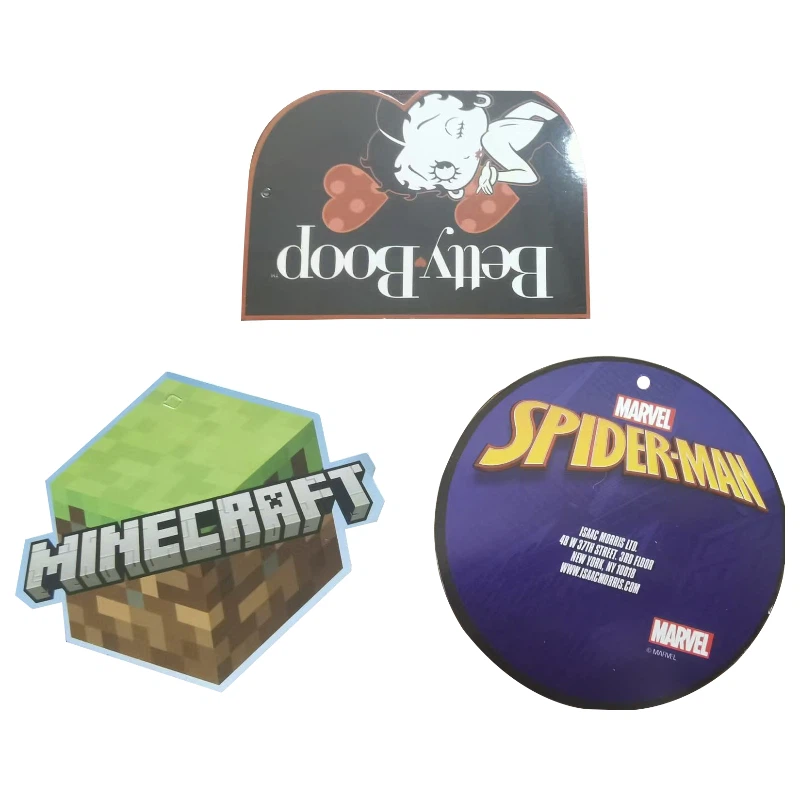
Secondly, it can be a competitive advantage. In today's market, consumers are increasingly conscious of social issues and are more likely to support brands that demonstrate social responsibility. By offering hang tags with Braille, you're differentiating your products from competitors and appealing to a socially conscious customer base.
Moreover, it can open up new market opportunities. The visually impaired community represents a significant consumer segment. By making your products more accessible to them, you're expanding your potential customer reach. For example, a clothing brand that uses hang tags with Braille for size and care instructions can attract more visually impaired customers, leading to increased sales.
Challenges and Considerations
However, there are also some challenges and considerations when using Braille on ordinary hang tags. One of the main challenges is space. Braille characters take up more space than regular text. This means that you need to carefully plan the layout of the hang tag to ensure that there's enough room for both the Braille and other necessary information, such as product names and logos.
Another consideration is cost. Adding Braille to hang tags can increase the production cost. Embossing or using tactile ink requires additional equipment and materials, which can add to the overall expense. However, as the demand for inclusive products grows, the cost is likely to become more manageable over time.
Quality control is also crucial. The Braille dots need to be clear, distinct, and evenly spaced to be readable. This requires strict quality control measures during the production process to ensure that the Braille on each hang tag meets the required standards.
Meeting Regulatory Requirements
In addition to the practical challenges, it's important to be aware of any regulatory requirements related to using Braille on hang tags. In some regions, there may be specific guidelines or regulations regarding the use of Braille on consumer products. For example, there may be requirements regarding the size, spacing, and placement of the Braille characters.
It's essential to stay informed about these regulations and ensure that your hang tags comply with them. This not only helps you avoid potential legal issues but also ensures that the Braille on your hang tags is effective and useful for the visually impaired.
The Future of Braille on Hang Tags
The future looks promising for the use of Braille on ordinary hang tags. As society becomes more inclusive and the demand for accessible products continues to grow, the use of Braille on hang tags is likely to become more widespread.
Technological advancements are also making it easier and more cost - effective to add Braille to hang tags. For example, new printing techniques and materials are being developed that can create high - quality Braille at a lower cost.
As a hang tag supplier, I'm excited about the potential of using Braille on ordinary hang tags. It's a small step that can make a big difference in the lives of the visually impaired. By offering this option to our customers, we're not only providing a valuable service but also contributing to a more inclusive society.
How to Get Started
If you're interested in using Braille on ordinary hang tags for your products, I'd be more than happy to assist you. We have the expertise and resources to create high - quality hang tags with Braille that meet your specific requirements. Whether you need Ordinary Hang Tag for a small batch of products or a large - scale production, we can work with you to find the best solution.
Contact us to discuss your needs and explore the possibilities of using Braille on your hang tags. Let's work together to make your products more accessible and inclusive for everyone.
References
- Braille Literacy and Accessibility Standards, National Federation of the Blind.
- Inclusive Design Guidelines for Consumer Products, International Organization for Standardization.