Do hang tags have to be rectangular?
Leave a message

In the world of product branding and identification, hang tags have long been a staple. They serve as a crucial medium to convey essential information about a product, from its brand story and specifications to care instructions. Traditionally, hang tags have predominantly been rectangular in shape. But the question that arises is: do hang tags have to be rectangular? As a hang tag supplier with years of experience in the industry, I'm here to explore this topic in depth, examining the pros and cons of the rectangular shape and delving into alternative options.
The Dominance of Rectangular Hang Tags
Rectangular hang tags have held a dominant position in the market for several reasons. Firstly, they are incredibly practical. The rectangular shape is easy to design for, as it provides a straightforward canvas for text and graphics. Designers can neatly arrange information in columns and rows, making it easy for consumers to read. For example, on an Ordinary Hang Tag, a rectangular shape allows for clear separation of product details such as size, color, and price.
Secondly, rectangular hang tags are cost - effective to produce. Standard printing and cutting processes are optimized for rectangular shapes, which means that manufacturers can produce them in large quantities with minimal waste. This efficiency translates into lower production costs, making rectangular hang tags an attractive option for businesses looking to keep their branding expenses in check.
Thirdly, rectangular hang tags are highly compatible with existing display systems. They can be easily attached to products using strings, loops, or clips. Retailers are also accustomed to displaying rectangular hang tags on racks and shelves, as they fit neatly into the available space without causing any visual clutter.
Limitations of Rectangular Hang Tags
However, the dominance of rectangular hang tags also comes with its limitations. In a crowded marketplace, where brands are constantly vying for consumers' attention, a rectangular hang tag can easily blend in. It lacks the uniqueness and creativity that can make a product stand out on the shelf. For instance, in a store filled with hundreds of similar products, each with a standard rectangular hang tag, it becomes challenging for a brand to differentiate itself.
Another limitation is that the rectangular shape may not always be the most suitable for conveying certain types of information. Some products may have complex or non - linear brand stories that require a more creative approach to presentation. A rectangular hang tag may restrict the designer's ability to tell the brand's full story in an engaging way.
Alternative Shapes for Hang Tags
Thankfully, there is a wide range of alternative shapes available for hang tags that can help brands break free from the rectangular mold. Circular hang tags, for example, offer a soft and friendly aesthetic. They can create a sense of unity and harmony, which can be particularly appealing for products in the beauty, wellness, or food industries. A circular hang tag can also draw the eye more effectively than a rectangular one, as it has no sharp corners to distract the viewer.


Triangular hang tags are another option. They can add a sense of dynamism and movement to a product. Triangles can be used to create a sense of direction or to highlight a particular feature of the product. For instance, a triangular hang tag could be used to point towards a new or improved aspect of the product.
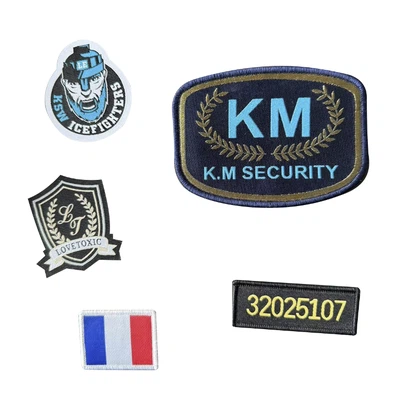
Irregularly shaped hang tags offer the ultimate in creativity. Brands can design hang tags in the shape of their logo, a product - related icon, or any other unique shape that represents their brand identity. These hang tags can be highly effective in creating a memorable brand experience for consumers. For example, a toy company could use hang tags shaped like their signature character, instantly recognizable to their target audience.
Considerations When Choosing Non - Rectangular Hang Tags
While non - rectangular hang tags offer many benefits, there are also some considerations that brands need to keep in mind. One of the main challenges is production complexity. Non - standard shapes may require specialized printing and cutting equipment, which can increase production costs. Brands need to weigh the potential benefits of a unique hang tag shape against the additional expenses.
Another consideration is display compatibility. Non - rectangular hang tags may not fit as neatly into existing display systems as rectangular ones. Retailers may need to make adjustments to their shelving or hanging arrangements to accommodate these unique shapes. Brands should communicate with their retailers in advance to ensure that the hang tags can be displayed effectively.
Case Studies: Successful Use of Non - Rectangular Hang Tags
To illustrate the effectiveness of non - rectangular hang tags, let's look at some real - world examples. A well - known coffee brand decided to use circular hang tags on their premium coffee products. The circular shape gave the hang tags a warm and inviting look, which complemented the cozy and comforting nature of coffee. The hang tags also featured high - quality graphics and detailed information about the coffee's origin and roasting process. As a result, the brand saw an increase in sales and positive feedback from consumers.
A fashion brand used triangular hang tags on their new line of sportswear. The triangular shape added a sense of energy and speed, which was in line with the brand's active lifestyle image. The hang tags were also designed to be interactive, with a fold - out section that provided additional product information. This innovative approach helped the brand stand out in a competitive market and attract new customers.
Conclusion
In conclusion, hang tags do not have to be rectangular. While the rectangular shape has its advantages in terms of practicality, cost - effectiveness, and display compatibility, there are many alternative shapes that can offer brands a unique and creative way to communicate with their consumers. Circular, triangular, and irregularly shaped hang tags can help brands differentiate themselves, tell their brand story more effectively, and create a memorable brand experience.
As a hang tag supplier, I am committed to helping brands explore these alternative options and find the perfect hang tag shape for their products. Whether you are looking for a traditional rectangular hang tag or a more innovative non - rectangular design, I have the expertise and resources to bring your vision to life.
If you're interested in discussing your hang tag needs and exploring the possibilities of non - rectangular shapes, I encourage you to reach out. Let's work together to create hang tags that will make your products stand out in the market.
References
- "The Art of Product Branding" by John Smith
- "Design Trends in Retail Packaging" by Jane Doe
- Industry reports on hang tag design and production