

How to make an ordinary hang tag more moisture - resistant?
Leave a message

As a supplier of ordinary hang tags, I understand the importance of ensuring that these tags can withstand various environmental conditions, especially moisture. Moisture can cause significant damage to hang tags, such as smudging of printed information, warping, and even complete deterioration. In this blog post, I will share some effective ways to make an ordinary hang tag more moisture - resistant.
Understanding the Threat of Moisture to Hang Tags
Before delving into the solutions, it's crucial to understand how moisture affects hang tags. When hang tags come into contact with moisture, the paper or material they are made of can absorb water. This absorption can lead to a change in the physical properties of the tag. For paper - based hang tags, the fibers swell, causing the tag to warp and lose its shape. Printed ink can also run or fade, making the information on the tag illegible.
Moreover, moisture provides a breeding ground for mold and mildew. These fungi can not only damage the appearance of the hang tag but also pose a health risk in some cases. Therefore, preventing moisture damage is essential for maintaining the integrity and functionality of hang tags.
Choosing the Right Materials
The first step in making a hang tag more moisture - resistant is to select the appropriate materials. Traditional paper hang tags are highly susceptible to moisture, but there are alternatives that offer better resistance.

Plastic - Based Materials
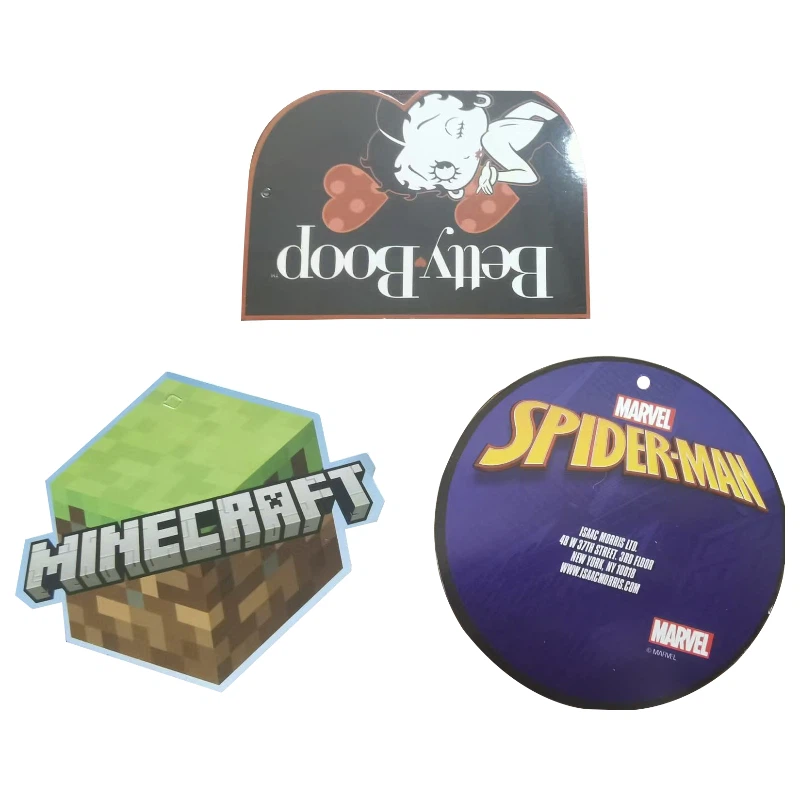
Plastic materials are a great option for moisture - resistant hang tags. For instance, polypropylene (PP) and polyethylene (PE) are commonly used due to their low water absorption rates. These plastics are lightweight, durable, and can be easily printed on. They also come in various thicknesses and finishes, allowing for a wide range of design possibilities. Film Hang Tag made from these plastics are an excellent choice as they provide a clear, smooth surface that is resistant to moisture and scratches.
Coated Papers
Another option is to use coated papers. Coating a paper hang tag with a water - resistant layer can significantly improve its moisture resistance. There are different types of coatings available, such as acrylic coatings and wax coatings. Acrylic coatings form a thin, transparent film on the surface of the paper, preventing water from penetrating. Wax coatings, on the other hand, provide a more substantial barrier and can also give the hang tag a glossy or matte finish.
Applying Protective Coatings
In addition to using moisture - resistant materials, applying protective coatings can further enhance the moisture resistance of hang tags.
Lamination
Lamination is a popular method for protecting hang tags. It involves applying a thin layer of plastic film to the surface of the tag. There are two main types of lamination: hot lamination and cold lamination. Hot lamination uses heat to bond the plastic film to the tag, creating a strong and durable seal. Cold lamination, on the other hand, uses pressure - sensitive adhesives and is suitable for tags that may be damaged by heat. Laminated hang tags are not only more moisture - resistant but also more resistant to abrasion and tearing.
Varnishing
Varnishing is another way to protect hang tags from moisture. Varnishes are clear, liquid coatings that can be applied to the surface of the tag. They dry to form a hard, protective layer that repels water. There are different types of varnishes available, including gloss, matte, and satin finishes. Gloss varnishes provide a shiny, reflective surface, while matte varnishes give a more subdued, non - reflective look. Satin varnishes offer a balance between the two.
Design Considerations for Moisture Resistance
The design of the hang tag can also play a role in its moisture resistance.
Sealed Edges
Ensuring that the edges of the hang tag are sealed can prevent moisture from seeping in. This can be achieved through various methods, such as using heat - sealing techniques for plastic hang tags or applying edge - sealing adhesives for paper hang tags. Sealed edges create a barrier that stops water from entering the tag through the sides.
Minimal Openings
Designing the hang tag with minimal openings can also reduce the risk of moisture penetration. For example, if the tag has holes for hanging, these holes should be as small as possible and located in areas that are less likely to come into contact with moisture. Avoid creating large, open areas on the tag that could trap moisture.
Storage and Handling
Proper storage and handling of hang tags are also important for maintaining their moisture resistance.
Dry Storage Conditions
Hang tags should be stored in a dry environment. This means keeping them away from areas with high humidity, such as basements or near water sources. Storing hang tags in sealed containers or plastic bags can also help protect them from moisture.
Avoiding Direct Contact with Moisture
During handling, it's important to avoid direct contact with moisture. Workers should handle hang tags with dry hands and avoid exposing them to rain or other sources of water. If hang tags need to be transported, they should be packed in moisture - resistant packaging materials.
Testing the Moisture Resistance
Before mass - producing hang tags, it's essential to test their moisture resistance. There are several ways to do this.
Immersion Test
One simple test is to immerse a sample hang tag in water for a certain period of time and then evaluate its condition. Check for any signs of warping, ink bleeding, or other damage. This test can give you an idea of how well the hang tag will perform in wet conditions.
Humidity Chamber Test
A more sophisticated method is to use a humidity chamber. This chamber allows you to control the temperature and humidity levels and expose the hang tags to specific environmental conditions for an extended period. By monitoring the hang tags over time, you can determine their long - term moisture resistance.
Conclusion
Making an ordinary hang tag more moisture - resistant involves a combination of choosing the right materials, applying protective coatings, considering design factors, and ensuring proper storage and handling. By implementing these strategies, you can produce hang tags that are more durable and reliable, even in moist environments.
If you are interested in purchasing high - quality, moisture - resistant hang tags, we are here to assist you. Our company offers a wide range of hang tag options, including Multi Color Printed Hang Tag and Double Sided Adhesive Sticker Tag. Contact us for more information and to discuss your specific requirements.
References
- ASTM International. (2023). Standard test methods for water vapor transmission of materials.
- Smith, J. (2022). The impact of moisture on paper products and how to prevent damage. Journal of Packaging Science and Technology.
- Jones, A. (2021). Plastic materials for packaging applications: A review of moisture resistance properties. Polymer Research Journal.


