Are there any biodegradable film hang tag materials?
Leave a message

In the ever - evolving landscape of product marketing and branding, hang tags play a crucial role. As a Film Hang Tag supplier, I've witnessed the growing demand for sustainable and eco - friendly options. One question that frequently comes up in my line of work is, "Are there any biodegradable film hang tag materials?" In this blog, I'll delve into this topic, exploring the available biodegradable materials for film hang tags, their benefits, and how they fit into the broader context of the hang tag industry.
The Need for Biodegradable Hang Tag Materials
The global push towards sustainability has influenced every industry, and the hang tag business is no exception. Traditional plastic hang tags, made from materials like PVC and PET, have a long lifespan in the environment. They don't break down easily, contributing to the ever - growing problem of plastic pollution. As consumers become more environmentally conscious, they are increasingly looking for products that are not only high - quality but also sustainable. Brands are also recognizing the importance of using eco - friendly materials to enhance their brand image and meet the expectations of their customers.
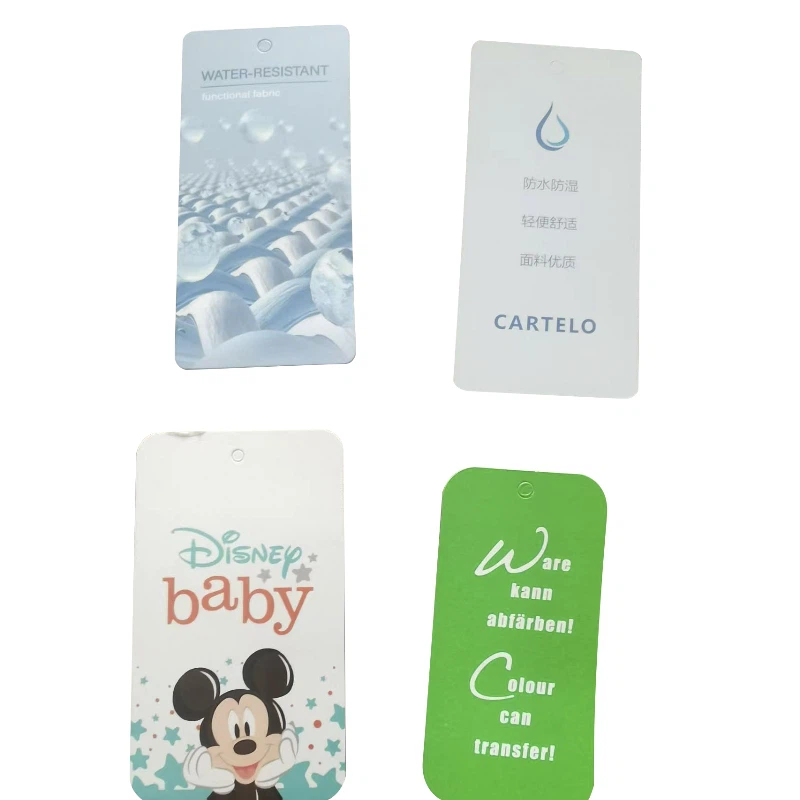

Biodegradable Materials for Film Hang Tags
-
Polylactic Acid (PLA)
PLA is one of the most well - known biodegradable polymers. It is derived from renewable resources such as corn starch or sugarcane. PLA has excellent printability, which makes it a great choice for creating eye - catching Film Hang Tag. It can be easily formed into different shapes and sizes, allowing for a high degree of customization. When exposed to the right environmental conditions, PLA will break down into carbon dioxide and water within a relatively short period compared to traditional plastics. -
Starch - Based Bioplastics
Starch - based bioplastics are another option for biodegradable film hang tags. These materials are made primarily from starch, which is a natural and abundant polymer. They can be blended with other polymers to improve their mechanical properties. Starch - based bioplastics are compostable, and they offer good flexibility, making them suitable for a variety of hang tag applications. They are also relatively inexpensive to produce, which can be an attractive feature for cost - conscious brands. -
Cellulose - Based Films
Cellulose is the most abundant polymer on Earth, and cellulose - based films are a promising option for biodegradable hang tags. These films can be made from wood pulp, cotton, or other cellulose - rich sources. They have good strength and transparency, which is ideal for showcasing product information and branding. Cellulose - based films are biodegradable in soil and water, and they can be recycled along with paper products.
Benefits of Using Biodegradable Film Hang Tags
-
Environmental Sustainability
The most obvious benefit of using biodegradable film hang tags is their positive impact on the environment. By choosing these materials, brands can reduce their carbon footprint and contribute to a more sustainable future. Biodegradable hang tags break down naturally, reducing the amount of waste that ends up in landfills and oceans. -
Enhanced Brand Image
In today's market, consumers are more likely to support brands that are committed to sustainability. Using biodegradable hang tags can help a brand differentiate itself from its competitors and build a positive reputation. It shows that the brand is not only concerned with profit but also with the well - being of the planet. -
Regulatory Compliance
As governments around the world introduce stricter environmental regulations, using biodegradable materials can help brands stay compliant. By proactively adopting sustainable practices, brands can avoid potential fines and legal issues in the future.
Challenges in Using Biodegradable Film Hang Tags
While biodegradable film hang tags offer many benefits, there are also some challenges associated with their use.
- Cost
Biodegradable materials are often more expensive than traditional plastics. This can be a deterrent for some brands, especially those on a tight budget. However, as the demand for these materials increases, economies of scale are likely to drive down the cost in the long run. - Performance
Some biodegradable materials may not have the same performance characteristics as traditional plastics. For example, they may be more prone to moisture absorption, which can affect their durability. However, ongoing research and development are constantly improving the performance of these materials.
The Future of Biodegradable Film Hang Tags
The future looks bright for biodegradable film hang tags. As technology continues to advance, we can expect to see even more innovative and high - performance biodegradable materials. The growing awareness of environmental issues among consumers and brands will also drive the demand for these products.
In addition to the traditional Film Hang Tag, other types of hang tags can also benefit from the use of biodegradable materials. For example, Double Sided Adhesive Sticker Tag and Multi Color Printed Hang Tag can be made using biodegradable films, providing a sustainable option for product branding and information display.
Conclusion
In conclusion, there are indeed biodegradable film hang tag materials available in the market. Materials like PLA, starch - based bioplastics, and cellulose - based films offer a sustainable alternative to traditional plastic hang tags. While there are some challenges associated with their use, the benefits, such as environmental sustainability, enhanced brand image, and regulatory compliance, make them a viable option for many brands.
As a Film Hang Tag supplier, I'm committed to providing high - quality, eco - friendly hang tag solutions. If you're interested in exploring biodegradable film hang tags for your products, I encourage you to reach out to me. I can help you choose the right material based on your specific needs and budget. Let's work together to create hang tags that not only promote your brand but also contribute to a greener planet.
References
- "Biodegradable Polymers: Principles and Practice" by R. Auras, L. Harte, and S. Selke.
- "Sustainable Packaging Design: Strategies and Best Practices" by E. Smith.
- Research papers on the development and application of biodegradable polymers in the packaging industry.