How to prevent an Ingredient Wash Label from peeling off?
Leave a message

Hey there! As a supplier of Ingredient Wash Labels, I've seen my fair share of labels peeling off, and it's a real headache for both us and our customers. A peeling label can make a product look unprofessional and may even lead to confusion about the ingredients or washing instructions. So, I thought I'd share some tips on how to prevent an Ingredient Wash Label from peeling off.
Choose the Right Material
The first step in preventing label peeling is to select the appropriate material for your Ingredient Wash Label. Different materials have different levels of adhesion and durability, so it's important to choose one that suits your product's needs.


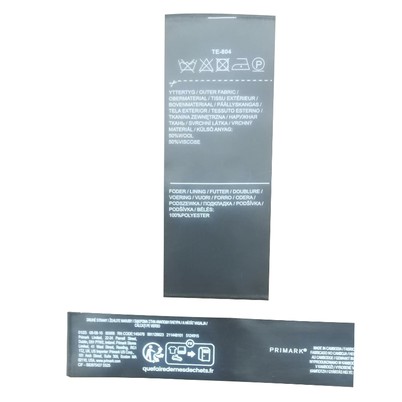
- Double Sided Wash Label: Double Sided Wash Labels are a great option for products that require information on both sides. These labels are usually made of a durable fabric that can withstand multiple washes. The adhesive used on double-sided labels is designed to hold up well in wet conditions, reducing the risk of peeling.
- Butter Paper Washing Label: Butter Paper Washing Labels are another popular choice. They are made of a thin, lightweight paper that is coated with a special adhesive. This type of label is often used for clothing and other soft goods. The butter paper material is porous, which allows the adhesive to bond well with the fabric, preventing peeling.
Proper Surface Preparation
Before applying the Ingredient Wash Label, it's crucial to prepare the surface where the label will be placed. A clean and dry surface will ensure better adhesion and reduce the chances of the label peeling off.
- Clean the Surface: Use a mild detergent and water to clean the area where the label will be applied. Make sure to remove any dirt, grease, or debris. After cleaning, dry the surface thoroughly with a clean cloth.
- Smooth Out Imperfections: Check the surface for any bumps, wrinkles, or rough spots. If necessary, smooth out these imperfections using sandpaper or a similar tool. A smooth surface will provide a better base for the label to adhere to.
Apply the Label Correctly
The way you apply the Ingredient Wash Label can also have a significant impact on its adhesion. Follow these steps to ensure proper application:
- Peel the Backing Slowly: When peeling the backing off the label, do it slowly and carefully. This will prevent the adhesive from stretching or pulling away from the label.
- Align the Label Properly: Place the label on the surface where it will be applied, making sure it is aligned correctly. Use a ruler or other straight edge to help you align the label if necessary.
- Press the Label Firmly: Once the label is in place, press it firmly onto the surface using a roller or your fingers. Start from the center of the label and work your way out to the edges, smoothing out any air bubbles as you go. Apply even pressure to ensure that the label adheres evenly to the surface.
Consider the Environment
The environment in which the product will be used and stored can also affect the adhesion of the Ingredient Wash Label. Here are some factors to consider:
- Temperature and Humidity: Extreme temperatures and high humidity can cause the adhesive on the label to weaken, leading to peeling. If your product will be exposed to these conditions, choose a label with an adhesive that is designed to withstand them.
- Chemical Exposure: Some products may come into contact with chemicals, such as detergents, solvents, or oils. These chemicals can break down the adhesive on the label, causing it to peel. If your product will be exposed to chemicals, make sure to choose a label with a chemical-resistant adhesive.
Use a Sealant or Protective Coating
In some cases, applying a sealant or protective coating over the Ingredient Wash Label can help to prevent peeling. This can provide an extra layer of protection against moisture, chemicals, and abrasion.
- Clear Coat Sprays: There are many clear coat sprays available on the market that can be used to protect labels. These sprays are easy to apply and can provide a durable, protective coating.
- Laminating Films: Laminating films can also be used to protect labels. These films are applied over the label using a laminating machine and can provide a high level of protection against peeling, scratching, and fading.
Test the Label
Before mass-producing your product with the Ingredient Wash Label, it's a good idea to test the label to ensure that it adheres properly and doesn't peel off. Here are some ways to test the label:
- Wash Test: If your product will be washed, perform a wash test on a sample label. Follow the washing instructions for your product and check the label after each wash to see if it has peeled or come loose.
- Abrasion Test: Use a piece of fabric or a soft brush to rub the label gently. This will simulate normal wear and tear and can help you determine if the label will hold up over time.
- Adhesion Test: You can also perform an adhesion test by trying to peel the label off the surface. If the label comes off easily, it may not have enough adhesion.
Conclusion
Preventing an Ingredient Wash Label from peeling off requires careful consideration of the label material, surface preparation, application method, and environmental factors. By following the tips outlined in this blog post, you can increase the chances of your labels staying in place and looking great.
If you're interested in purchasing high-quality Ingredient Wash Labels, Double Sided Wash Labels, or Butter Paper Washing Labels, feel free to reach out to us. We'd be happy to discuss your specific needs and provide you with a quote.
References
- "Labeling Materials and Adhesives," Packaging Digest.
- "How to Apply Labels for Maximum Adhesion," Label Planet.
- "The Impact of Environment on Label Adhesion," Label & Narrow Web.