What is the chemical resistance of screen printed wash labels?
Leave a message

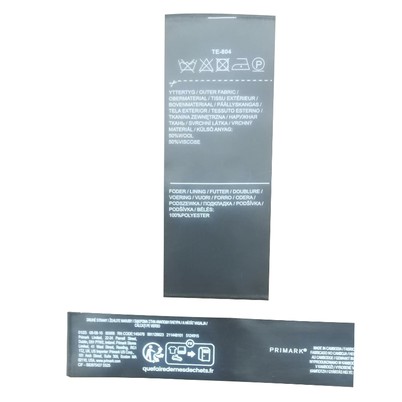
As a reputable supplier of Screen Printed Wash Labels, I often encounter inquiries from customers about the chemical resistance of our products. In the world of garment manufacturing and textile care, understanding the chemical resistance of wash labels is crucial. This blog post will delve into the concept of chemical resistance in screen - printed wash labels, shedding light on its importance, how it is tested, and the factors that influence it.
The Importance of Chemical Resistance in Screen Printed Wash Labels
Screen printed wash labels are an integral part of any garment. They provide essential information such as washing instructions, fabric composition, and care symbols. However, these labels are constantly exposed to a variety of chemicals during the normal use of the garment, including detergents, fabric softeners, bleach, and dry - cleaning solvents. If the labels do not possess adequate chemical resistance, they can fade, smudge, or even disintegrate over time, rendering the information on them unreadable.
For consumers, clear and legible wash labels are vital for proper garment care. Incorrect washing or cleaning methods due to unreadable labels can lead to premature wear and tear of the garment, reducing its lifespan. From a manufacturer's perspective, high - quality, chemically resistant wash labels enhance the overall product quality and brand image. A well - maintained label reflects positively on the brand, indicating that attention has been paid to every detail of the garment.
How Chemical Resistance is Tested in Screen Printed Wash Labels
There are several standardized tests used to evaluate the chemical resistance of screen printed wash labels. One of the most common tests is the immersion test. In this test, samples of the screen printed wash labels are immersed in various chemical solutions for a specified period. The chemicals typically used include common household detergents, bleach solutions, and dry - cleaning solvents.
After the immersion period, the labels are removed, rinsed thoroughly, and dried. The appearance of the labels is then evaluated based on criteria such as color fastness, print adhesion, and integrity of the label material. Color fastness is measured by comparing the color of the label before and after the immersion using a color - matching scale. Print adhesion is assessed by checking if the printed ink has peeled off or if there are any signs of smudging. The integrity of the label material is determined by observing if the label has become brittle, swollen, or damaged in any way.
Another test method is the rubbing test. In this test, a small amount of the chemical solution is applied to the surface of the label, and then a soft cloth is used to rub the label gently for a certain number of cycles. This simulates the abrasion that the label might experience during normal washing or handling. Similar to the immersion test, the label is evaluated for color fastness, print adhesion, and material integrity after the rubbing process.
Factors Influencing the Chemical Resistance of Screen Printed Wash Labels
Ink Quality
The quality of the ink used in screen printing plays a significant role in the chemical resistance of the wash labels. High - quality inks are formulated to be more resistant to chemicals, fading, and abrasion. They contain special pigments and binders that help the ink adhere firmly to the label material and withstand the chemical attacks. In contrast, low - quality inks may not have sufficient chemical resistance, and the print will easily fade or smear when exposed to chemicals.


Label Material
The type of material used for the wash label also affects its chemical resistance. Different materials have different levels of resistance to chemicals. For example, polyester - based label materials are generally more chemical - resistant than paper - based labels. Polyester is a synthetic polymer that is less likely to absorb chemicals or react with them. It also has good mechanical properties, such as high tensile strength and abrasion resistance, which contribute to the overall durability of the label.
Printing Process
The screen printing process itself can influence the chemical resistance of the wash labels. Proper curing of the ink is essential for achieving good chemical resistance. If the ink is not cured correctly, it may not adhere well to the label material, making it more susceptible to chemical damage. The thickness of the ink layer also matters. A thicker ink layer may provide better protection against chemicals, but it also needs to be balanced with print quality and flexibility of the label.
Chemical Exposure
The type and concentration of chemicals the label is exposed to have a direct impact on its chemical resistance. Stronger chemicals, such as concentrated bleach or industrial - grade detergents, are more likely to cause damage to the label compared to mild detergents. The frequency and duration of chemical exposure also play a role. A label that is repeatedly exposed to chemicals over a long period is more likely to show signs of degradation than a label that has only occasional exposure.
Comparing Screen Printed Wash Labels with Other Types of Wash Labels
Ingredient Wash Label
Ingredient wash labels focus more on providing information about the ingredients and materials used in the garment. In terms of chemical resistance, they share similar requirements as screen printed wash labels. However, the printing method and material choices for ingredient wash labels may vary. Some ingredient wash labels may use digital printing instead of screen printing, which can offer different levels of chemical resistance depending on the inks and processes used.
DuPont Washing Label
DuPont washing labels are known for their high - quality and durability. They are often used in high - end garments where label integrity is of utmost importance. DuPont labels typically use advanced materials and printing techniques, which may result in better chemical resistance compared to some standard screen printed wash labels. However, as a supplier of screen printed wash labels, we constantly strive to improve the chemical resistance of our products to meet or even exceed the performance of DuPont labels at a more competitive price.
Our Commitment as a Screen Printed Wash Label Supplier
As a supplier of screen printed wash labels, we are committed to providing our customers with products that have excellent chemical resistance. We use only high - quality inks and label materials in our manufacturing process. Our inks are carefully selected for their chemical resistance properties, and our label materials are tested to ensure they can withstand the rigors of normal garment care.
We also invest in state - of - the - art printing equipment and technology to ensure the proper curing and adhesion of the ink. Our quality control team conducts regular tests on our products using standardized testing methods to ensure that they meet or exceed industry standards for chemical resistance.
Conclusion
The chemical resistance of screen printed wash labels is a critical factor in ensuring the longevity and readability of the labels. It is influenced by various factors such as ink quality, label material, printing process, and chemical exposure. As a supplier, we understand the importance of providing high - quality, chemically resistant wash labels to our customers.
If you are in the market for screen printed wash labels and are interested in learning more about our products, or would like to discuss your specific requirements, please feel free to reach out to us. We look forward to the opportunity to work with you and provide you with the best - in - class wash labels for your garments.
References
- ASTM International. (20XX). Standard test methods for evaluating the chemical resistance of printed labels.
- Textile Research Journal. (20XX). Studies on the chemical resistance of different label printing techniques.
- Garment Care Association. (20XX). Guidelines for ensuring the chemical resistance of wash labels.