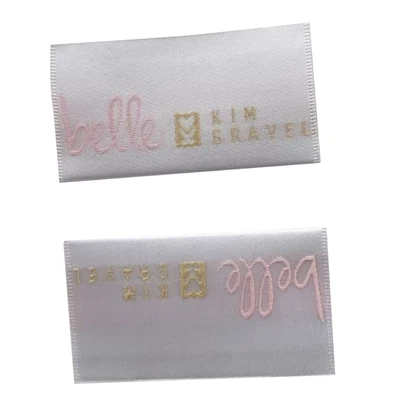
Can flat printed labels be used on plastic containers?
Leave a message

Can flat printed labels be used on plastic containers?
As a supplier of Flat Printed Labels, I often get asked this question. The short answer is yes, flat printed labels can indeed be used on plastic containers, but there are several factors to consider to ensure a successful application.
Compatibility of Materials
The first and most crucial aspect is the compatibility between the label material and the plastic of the container. Different plastics have different surface properties, such as polarity, smoothness, and chemical composition. For example, polyethylene (PE) and polypropylene (PP) are non - polar plastics, which can be challenging to bond labels to because they have low surface energy. On the other hand, polyvinyl chloride (PVC) and acrylonitrile butadiene styrene (ABS) are more polar and generally offer better adhesion for labels.
When selecting a flat printed label for a plastic container, it's essential to choose a label material that is designed to adhere well to the specific type of plastic. For instance, some labels are coated with special adhesives that are formulated to bond with non - polar plastics. These adhesives work by increasing the surface energy of the plastic through chemical reactions or by creating a mechanical bond.
Printing Technology and Durability
The printing technology used for flat printed labels also plays a significant role in their suitability for plastic containers. There are various printing methods available, such as digital printing, flexographic printing, and screen printing.
Digital printing offers high - resolution graphics and the ability to print variable data, making it ideal for short - run or customized labels. However, the durability of digital - printed labels on plastic containers can vary depending on the ink used. Some inks may not be as resistant to abrasion, chemicals, or UV light as those used in other printing methods.
Flexographic printing is a popular choice for large - volume label production. It uses flexible printing plates and fast - drying inks, which can provide good adhesion and durability on plastic surfaces. Screen printing, on the other hand, is known for its ability to print thick layers of ink, making it suitable for applications where high - opacity or tactile effects are required.
In addition to the printing method, the durability of the label is affected by environmental factors. Plastic containers are often exposed to moisture, heat, sunlight, and chemicals. Therefore, it's important to choose a label that can withstand these conditions. For example, labels with UV - resistant inks are recommended for containers that will be stored outdoors or in areas with high sunlight exposure.
Design and Application Considerations
The design of the flat printed label can also impact its performance on plastic containers. The shape and size of the label should be appropriate for the container's surface. Labels that are too large or have irregular shapes may be difficult to apply evenly, leading to bubbles or wrinkles.
The application process is another critical factor. Proper application techniques ensure that the label adheres firmly to the plastic surface. This may involve cleaning the container surface before applying the label to remove any dirt, grease, or contaminants. Some labels may also require the use of a primer or activator to improve adhesion.
Examples of Flat Printed Labels for Plastic Containers
There are many types of flat printed labels that are suitable for plastic containers. One example is the Satin Pocket Security Label. These labels not only provide a professional look but also offer security features, such as tamper - evident properties. They can be used on plastic containers in various industries, including pharmaceuticals, food and beverage, and cosmetics.
Another option is the Armband Label. These labels are often used for identification and branding purposes on plastic containers. They are available in different sizes and shapes and can be customized with company logos, product information, and barcodes.
Of course, our Flat Printed Labels are specifically designed to meet the diverse needs of plastic container labeling. We offer a wide range of materials, printing options, and finishes to ensure that our labels are not only visually appealing but also durable and functional.
Benefits of Using Flat Printed Labels on Plastic Containers
There are several benefits to using flat printed labels on plastic containers. Firstly, they provide a cost - effective way to brand and identify products. Labels can be easily customized with company logos, product names, and other important information, helping to differentiate products in the market.
Secondly, flat printed labels can enhance the overall appearance of the plastic container. High - quality labels with vibrant colors and sharp graphics can make the product more attractive to consumers. This is especially important in industries where product aesthetics play a significant role, such as cosmetics and consumer electronics.


Finally, labels can also provide important information about the product, such as usage instructions, ingredients, and expiration dates. This helps to ensure consumer safety and compliance with regulatory requirements.
Conclusion
In conclusion, flat printed labels can be used on plastic containers, but careful consideration must be given to material compatibility, printing technology, design, and application. As a supplier of Flat Printed Labels, we have the expertise and experience to help you choose the right label for your plastic container. Whether you need a simple identification label or a complex security label, we can provide a solution that meets your specific requirements.
If you are interested in learning more about our Flat Printed Labels or would like to discuss your labeling needs, please feel free to reach out to us. We are always happy to assist you with your procurement and ensure that you get the best - quality labels for your plastic containers.
References
- "Labeling Materials and Technologies" - A comprehensive guide on label materials and their applications.
- "Plastic Container Surface Properties and Adhesion" - Research on the relationship between plastic surface properties and label adhesion.
- "Printing Methods for Labels" - Technical information on different printing methods used in label production.