How long do flat printed labels last?
Leave a message

Flat printed labels are ubiquitous in our daily lives, adorning products across various industries, from consumer goods to industrial equipment. As a supplier of flat printed labels, I often receive inquiries from clients about the lifespan of these labels. Understanding how long flat printed labels last is crucial for both manufacturers and consumers, as it directly impacts product branding, information dissemination, and overall user experience. In this blog post, I will delve into the factors that influence the longevity of flat printed labels and provide insights to help you make informed decisions when choosing the right labels for your products.
Factors Affecting the Lifespan of Flat Printed Labels
Material Quality
The quality of the materials used in flat printed labels is one of the most significant factors determining their lifespan. Labels can be made from a variety of materials, including paper, plastic, vinyl, and fabric, each with its own set of characteristics and durability.
- Paper Labels: Paper labels are cost - effective and commonly used for short - term applications. They are suitable for products with a limited shelf life, such as food items with a short expiration date. However, paper labels are vulnerable to moisture, abrasion, and tearing. In a dry and low - friction environment, paper labels may last several months to a year, but in harsh conditions, their lifespan can be significantly reduced.
- Plastic and Vinyl Labels: Plastic and vinyl labels are more durable than paper labels. They are resistant to moisture, chemicals, and UV radiation, making them ideal for outdoor or industrial applications. High - quality plastic labels can last for several years, even in challenging environments. For example, labels on outdoor equipment or automotive parts often use plastic materials to ensure long - term visibility and readability.
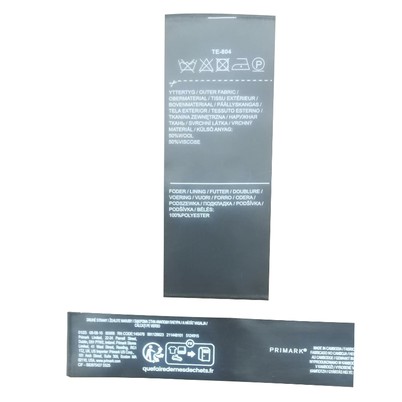
- Fabric Labels: Fabric labels are commonly used in the textile industry for clothing and accessories. They are soft, flexible, and can withstand repeated washing and wear. With proper care, fabric labels can last for the entire lifespan of the garment.
Printing Method
The printing method employed also plays a crucial role in determining the longevity of flat printed labels. Different printing techniques offer varying levels of durability.
- Digital Printing: Digital printing is a popular choice for short - run label production. It offers high - resolution printing and quick turnaround times. However, the ink used in digital printing may not be as durable as other methods, especially when exposed to harsh conditions. Digital - printed labels are best suited for indoor applications or products with a short - term lifespan.
- Flexographic Printing: Flexographic printing is a widely used method for large - scale label production. It uses flexible printing plates and fast - drying inks, which provide good durability. Flexo - printed labels can withstand moderate abrasion and environmental exposure, making them suitable for a wide range of products.
- Screen Printing: Screen printing is known for its durability. It deposits a thick layer of ink on the label surface, resulting in long - lasting and vibrant prints. Screen - printed labels are often used for products that require high - visibility and long - term durability, such as industrial equipment labels.
Environmental Conditions
The environment in which the labels are used has a significant impact on their lifespan.
- Temperature and Humidity: Extreme temperatures and high humidity can cause labels to peel, fade, or become discolored. For example, in a hot and humid warehouse, paper labels may absorb moisture and lose their adhesion, while plastic labels may warp or melt at high temperatures.
- Exposure to UV Radiation: UV radiation from sunlight can cause labels to fade over time. This is particularly important for outdoor products or products displayed near windows. Labels with UV - resistant coatings can help extend their lifespan in such environments.
- Chemical Exposure: Labels used in industrial settings may be exposed to chemicals, solvents, or cleaning agents. These substances can damage the label material and ink, reducing their lifespan. Choosing labels with chemical - resistant properties is essential for such applications.
Examples of Flat Printed Labels and Their Lifespan
Satin Pocket Security Label
The Satin Pocket Security Label is a specialized label often used for security and anti - counterfeiting purposes. These labels are typically made from high - quality materials and printed using advanced techniques. In normal indoor conditions, where they are protected from excessive moisture, UV radiation, and physical damage, these labels can last for several years. However, if they are exposed to harsh environmental conditions or improper handling, their lifespan may be reduced.
Crochet Brand Trademark Labels
Crochet Brand Trademark Labels are commonly used in the handicraft and textile industries. These labels are usually made from fabric or paper materials. Fabric crochet labels can last for the lifetime of the crocheted item, as they are designed to withstand washing and wear. Paper crochet labels, on the other hand, may have a shorter lifespan, especially if the item is frequently washed or exposed to moisture.
Wood Machine Brand
Wood Machine Brand labels are used on industrial woodworking equipment. These labels need to be highly durable, as they are exposed to dust, wood chips, and mechanical vibrations. Typically made from plastic or metal materials and printed using a durable printing method, these labels can last for many years, ensuring that the brand information remains visible and intact throughout the machine's lifespan.
Extending the Lifespan of Flat Printed Labels
- Choose the Right Material and Printing Method: Based on the intended use and environmental conditions of the product, select the appropriate label material and printing method. For example, if the product will be used outdoors, choose a UV - resistant plastic label printed using a durable method like screen printing.
- Apply Protective Coatings: Protective coatings can enhance the durability of labels. UV - resistant coatings can prevent fading, while scratch - resistant coatings can protect the label surface from abrasion.
- Proper Installation: Ensure that labels are installed correctly. Clean the surface where the label will be applied to remove any dirt, grease, or moisture. This will improve the label's adhesion and prevent premature peeling.
Conclusion
The lifespan of flat printed labels varies widely depending on factors such as material quality, printing method, and environmental conditions. As a flat printed label supplier, I understand the importance of providing high - quality labels that meet the specific needs of our clients. By considering these factors and following the tips for extending label lifespan, you can ensure that your products are well - labeled and that the brand information remains visible and intact for as long as possible.
If you are in need of flat printed labels for your products, I encourage you to contact me for a consultation. We can discuss your specific requirements and find the best label solutions for your business. Whether you need short - term labels for a promotional campaign or long - lasting labels for industrial equipment, we have the expertise and resources to meet your needs.


References
- Packaging Machinery Manufacturers Institute. (2023). Labeling Technology Handbook.
- Smith, J. (2022). The Science of Label Durability. Journal of Packaging Science.
- International Organization for Standardization. (2021). ISO Standards for Labeling Materials and Printing.