How to store screen printing screens for wash labels?
Leave a message

As a dedicated supplier of Screen Printed Wash Labels, I understand the critical role that proper screen storage plays in maintaining the quality and longevity of our printing equipment. Screen printing screens are the heart of our operations, and how we store them can significantly impact the efficiency and quality of our wash label production. In this blog, I'll share some essential tips on how to store screen printing screens for wash labels effectively.
Understanding the Importance of Proper Screen Storage
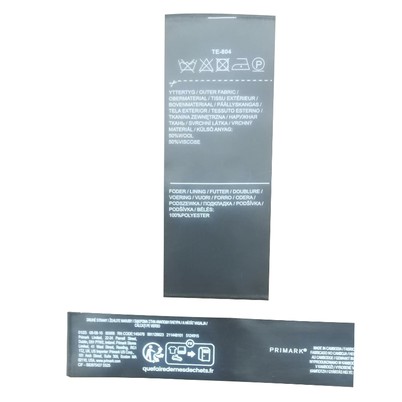
Before delving into the storage methods, it's crucial to recognize why proper screen storage matters. Screen printing screens are precision tools that need to be kept in optimal condition to ensure consistent print quality. When screens are not stored correctly, they can warp, become damaged, or accumulate dirt and debris, all of which can lead to printing defects on our Ingredient Wash Label, Recycled Soft Satin Label, and Barcode Wash Label.
Proper storage also extends the lifespan of the screens, reducing the need for frequent replacements and saving costs in the long run. Additionally, well - stored screens are easier to access and organize, improving workflow efficiency in our production facility.
Cleaning the Screens Before Storage
The first step in storing screen printing screens is to clean them thoroughly. After each use, screens should be cleaned to remove any ink, emulsion, or other residues. This not only prevents the build - up of contaminants but also helps maintain the integrity of the screen mesh.
To clean the screens, start by flushing them with water to remove the bulk of the ink. Then, use a suitable screen cleaner and a soft brush to gently scrub the screen on both sides. Pay special attention to the areas around the stencil, as these are often where the most ink accumulates. Rinse the screen again with clean water until all the cleaner and ink are removed.
Once the screen is clean, dry it completely. Hanging the screen vertically allows water to drain off naturally, reducing the risk of water spots or mold growth. Make sure the screen is completely dry before proceeding to the next step, as moisture can cause corrosion and damage to the screen frame.
Protecting the Screens from Physical Damage
Physical damage is one of the most common threats to screen printing screens during storage. To prevent this, it's essential to use proper storage racks or containers.
Storage racks should be designed to hold the screens vertically, with enough space between each screen to prevent them from touching. This helps avoid scratches, dents, and other types of damage. The racks should also be sturdy and stable to prevent the screens from falling or tipping over.
If using containers, choose ones that are specifically designed for screen storage. These containers should have padding or dividers to separate the screens and protect them from impact. Avoid overcrowding the containers, as this can also lead to damage.
When handling the screens, always use proper lifting techniques. Grab the screens by the frame, not the mesh, to avoid stretching or tearing the mesh. Also, be careful not to bump the screens against hard surfaces during transport or storage.
Controlling the Storage Environment
The storage environment plays a vital role in preserving the quality of screen printing screens. Temperature and humidity are two key factors that need to be carefully controlled.
Screens should be stored in a cool, dry place. High temperatures can cause the screen mesh to expand, while high humidity can lead to mold growth and corrosion of the screen frame. Ideally, the storage area should have a temperature between 60°F and 70°F (15°C - 21°C) and a relative humidity of around 40% - 50%.
To maintain these conditions, consider using a dehumidifier or air conditioner in the storage area. Additionally, avoid storing screens near sources of heat, such as radiators or direct sunlight, as this can cause uneven heating and damage to the screens.
Organizing the Screens for Easy Access
Proper organization of screen printing screens is essential for efficient production. When storing the screens, label them clearly with information such as the design name, size, and date of last use. This makes it easier to locate the right screen when needed.
You can also group the screens by type of wash label, such as Ingredient Wash Label, Recycled Soft Satin Label, or Barcode Wash Label. This way, you can quickly access the screens relevant to a particular production order.
Using a digital inventory system can further enhance organization. This allows you to track the location, usage history, and condition of each screen, making it easier to manage your screen inventory and plan for replacements.
Storing Screens with Emulsion Intact
If you plan to reuse the screens in the future, it's important to store them with the emulsion intact. The emulsion is the light - sensitive layer that creates the stencil on the screen, and keeping it in good condition is crucial for consistent print quality.
To store screens with emulsion intact, keep them in a dark place. Exposure to light can cause the emulsion to harden or break down, rendering the screen unusable. You can use opaque storage containers or cover the screens with black plastic sheets to protect them from light.
It's also a good idea to periodically check the screens for any signs of emulsion degradation, such as peeling or cracking. If any issues are detected, the screen may need to be recoated with emulsion before reuse.
Long - Term Storage Considerations
For long - term storage, additional precautions may be necessary. If you don't plan to use the screens for an extended period, consider applying a protective coating to the screen mesh. This can help prevent oxidation and damage from environmental factors.
Before long - term storage, it's also advisable to wrap the screens in a protective material, such as bubble wrap or a plastic sleeve. This provides an extra layer of protection against dust, dirt, and physical damage.


Regularly inspect the screens during long - term storage. Check for any signs of damage, mold, or corrosion, and take appropriate action if necessary. This can help ensure that the screens are in good condition when you're ready to use them again.
Conclusion
Proper storage of screen printing screens is essential for maintaining the quality and efficiency of our Screen Printed Wash Label production. By following these tips on cleaning, protecting, and controlling the storage environment, we can extend the lifespan of our screens, reduce production costs, and ensure consistent print quality.
If you're in the market for high - quality Screen Printed Wash Labels, whether it's Ingredient Wash Label, Recycled Soft Satin Label, or Barcode Wash Label, we're here to serve you. Our commitment to quality and attention to detail in every step of the production process, including screen storage, ensures that you'll receive the best - in - class wash labels for your needs. Contact us to discuss your specific requirements and start a fruitful business partnership.
References
- "Screen Printing Handbook" by John Smith
- Industry guidelines from the Screen Printing Association
- Internal research and best practices from our company's experience in Screen Printed Wash Label production.