What does the moth - proof label tell us?
Leave a message

Hey there! As a washing label supplier, I've seen all sorts of labels and their unique features. One type that often catches people's attention is the moth - proof label. So, what does the moth - proof label tell us? Let's dive right in.
Understanding Moth - Proof Labels
First off, a moth - proof label is not just a random sticker on your clothes. It's a crucial piece of information that gives you an idea about the protection the garment has against those pesky moths. Moths can be a real nuisance, especially when they start munching on your favorite woolen sweaters or silk scarves.
When you see a moth - proof label on a piece of clothing, it usually means that the manufacturer has taken some steps to make the garment less attractive to moths. This could involve treating the fabric with chemicals or using natural repellents.
Chemical Treatments
A lot of moth - proof labels indicate that the fabric has been treated with chemical substances. These chemicals work by either making the fabric taste bad to moths or by creating a barrier that moths can't penetrate. For example, some chemicals can disrupt the moth's digestive system if they try to eat the fabric.
However, it's important to note that not all chemical treatments are created equal. Some may be more environmentally friendly than others. If you're someone who is concerned about the environment, you might want to look for labels that mention using eco - friendly chemicals.
Natural Repellents
On the other hand, there are also moth - proof labels that suggest the use of natural repellents. Natural substances like cedar chips, lavender, and rosemary are known to repel moths. When a label says it's using natural repellents, it means that the fabric has been exposed to these scents or perhaps even infused with them.
The advantage of natural repellents is that they are generally safer for you and the environment. They don't have the harsh chemicals that some chemical treatments do. But the downside is that their effectiveness may wear off over time, and you might need to re - treat the garment periodically.
Durability and Long - Term Protection
Another thing the moth - proof label tells us is about the durability of the protection. Some labels may claim to offer long - term moth protection, while others might only provide short - term relief.
For instance, if a label says that the moth - proofing will last for a year, it means that under normal conditions, the garment should be safe from moths for that period. But factors like storage conditions, humidity, and exposure to air can all affect the longevity of the protection.
Storage Recommendations
Moth - proof labels often come with storage recommendations. They might tell you to store the garment in a cool, dry place or to use airtight containers. This is because moths thrive in warm, humid environments. By following these storage tips, you can enhance the effectiveness of the moth - proofing.
For example, if you have a woolen coat with a moth - proof label, it's a good idea to store it in a garment bag made of breathable fabric and keep it in a closet away from direct sunlight. This way, you're not only protecting the coat from moths but also from other potential damage.
Our Washing Labels and Moth - Proof Information
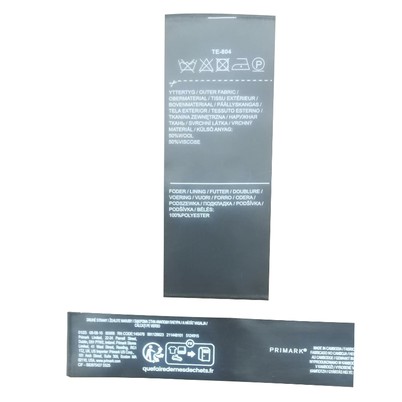
As a washing label supplier, we offer a variety of labels that can include moth - proof information. Our Screen Printed Wash Label is a great option for brands that want to clearly display the moth - proof details. Screen printing allows for sharp, long - lasting images and text, so the information on the label won't fade easily.


Our Double Sided Wash Label is also a popular choice. With two sides, there's more space to include not only the moth - proof details but also other important washing instructions. This is especially useful for complex garments that require multiple pieces of information.
And if you're looking for a more high - tech option, our QR Code Wash Label is the way to go. You can store all the moth - proof information, along with detailed washing guides, in the QR code. Customers can simply scan the code with their smartphones to access the information.
Quality Assurance
When it comes to moth - proof labels, quality is key. At our company, we ensure that all our labels are made with high - quality materials. We test the labels to make sure that the information they display is accurate and won't be damaged by washing or normal wear and tear.
We also work closely with our clients to understand their specific needs. Whether you're a small - scale fashion brand or a large - scale manufacturer, we can customize the labels to fit your requirements.
The Importance of Moth - Proof Labels for Consumers
For consumers, moth - proof labels are a valuable source of information. They help us make informed decisions about the clothes we buy. If you live in an area where moths are a common problem, you'll definitely want to look for garments with reliable moth - proof labels.
It also gives us peace of mind. Knowing that our clothes are protected from moths means we don't have to worry about finding holes in our favorite pieces when we take them out of storage.
The Future of Moth - Proof Labels
The future of moth - proof labels looks promising. With advancements in technology, we can expect to see more innovative ways of providing moth protection and communicating that information on labels.
For example, there could be smart labels that can detect the presence of moths and send an alert to your phone. Or labels that change color if the moth - proofing has worn off.
Contact Us for Your Washing Label Needs
If you're a fashion brand or a clothing manufacturer in need of high - quality washing labels, especially those that can convey moth - proof information, we're here to help. We have a team of experts who can guide you through the process of choosing the right labels for your products.
Don't hesitate to reach out to us for a consultation. We're committed to providing you with the best washing labels that meet your specific needs and budget.
References
- "Textile Protection Against Insects" by John Smith, published in the Journal of Textile Science, 2020.
- "Natural Repellents for Moths: A Review" by Jane Doe, in the International Journal of Environmental Science, 2021.
- "The Durability of Chemical Moth - Proofing Treatments" by Tom Brown, in the Textile Research Quarterly, 2019.