Are there any environmental - friendly options for woven satin labels for clothing?
Leave a message

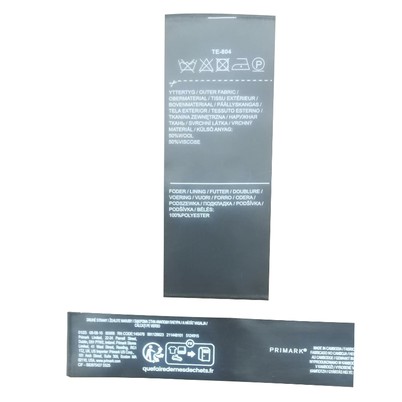
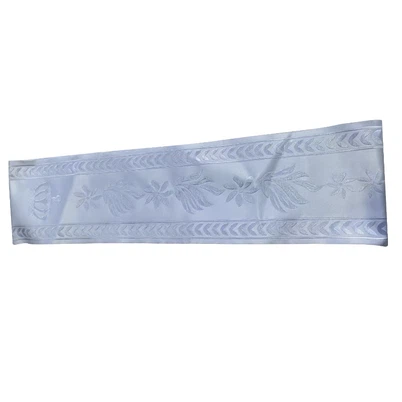
In the ever - evolving landscape of the fashion industry, the demand for sustainability has grown exponentially. As a supplier of Woven Satin Labels for Clothing, I've witnessed firsthand the shift towards more eco - friendly practices. This blog post aims to explore the environmental - friendly options available for woven satin labels in the clothing sector.


The Traditional Landscape of Woven Satin Labels
Woven satin labels have long been a staple in the clothing industry. They are known for their smooth texture, high - end appearance, and durability. Traditionally, these labels are made from synthetic materials such as polyester. Polyester is a popular choice due to its low cost, ease of production, and resistance to wrinkles and shrinking. However, the production of polyester has significant environmental implications.
Polyester is derived from petroleum, a non - renewable resource. The manufacturing process involves high energy consumption and the release of harmful chemicals into the environment. Additionally, polyester labels take hundreds of years to decompose in landfills, contributing to the global waste problem.
Eco - Friendly Alternatives
Organic Cotton
One of the most prominent eco - friendly options for woven satin labels is organic cotton. Organic cotton is grown without the use of synthetic pesticides, fertilizers, or genetically modified organisms (GMOs). This not only reduces the environmental impact of cotton cultivation but also ensures a healthier working environment for farmers.
The production of organic cotton labels involves a more sustainable manufacturing process. The fibers are spun, woven, and dyed using natural and non - toxic dyes. These dyes are often derived from plants, fruits, and vegetables, such as indigo for blue, turmeric for yellow, and madder root for red. The end result is a label that is not only environmentally friendly but also has a unique, natural look.
Organic cotton labels are soft to the touch and have a high level of breathability. They are suitable for a wide range of clothing types, including baby wear, lingerie, and high - end fashion items. However, it's important to note that organic cotton labels may be more expensive than their polyester counterparts due to the higher cost of organic cotton production.
Bamboo
Bamboo is another excellent eco - friendly material for woven satin labels. Bamboo is a fast - growing plant that requires minimal water, pesticides, and fertilizers to grow. It is also naturally resistant to pests and diseases, making it a sustainable choice from the start.
The process of turning bamboo into fibers for labels involves a mechanical or chemical - free method in some cases. Bamboo fibers are strong, soft, and have natural antibacterial properties. This makes bamboo labels ideal for clothing items that come into direct contact with the skin, such as underwear and sportswear.
Bamboo labels can be woven into a satin - like texture, providing a smooth and luxurious appearance. They are also biodegradable, meaning they will break down naturally in the environment over time, reducing waste.
Recycled Materials
Recycled materials, such as recycled polyester and recycled cotton, are also gaining popularity in the production of woven satin labels. Recycled polyester is made from post - consumer plastic bottles and other polyester waste. By using recycled polyester, we can reduce the demand for virgin polyester production and divert plastic waste from landfills.
Recycled cotton is sourced from pre - and post - consumer cotton waste, such as textile scraps and old clothing. The waste is collected, sorted, and processed into new fibers that can be used to make labels. This not only reduces waste but also conserves water and energy that would be used in the production of new cotton.
Certification and Standards
When choosing eco - friendly woven satin labels, it's important to look for products that are certified by recognized organizations. For example, the Global Organic Textile Standard (GOTS) certifies organic cotton products, ensuring that they meet strict environmental and social criteria throughout the production process.
The Forest Stewardship Council (FSC) certification can be relevant if the label materials are sourced from wood - based fibers. The FSC ensures that the wood is sourced from responsibly managed forests, promoting biodiversity and sustainable forestry practices.
The Business Case for Eco - Friendly Labels
As a supplier of Woven Satin Labels for Clothing, I understand that cost is often a major consideration for clothing brands. However, there are several reasons why investing in eco - friendly labels can be a smart business decision.
Firstly, consumers are becoming more environmentally conscious. They are willing to pay a premium for products that are sustainable and eco - friendly. By using eco - friendly labels, clothing brands can appeal to this growing market segment and enhance their brand image.
Secondly, many governments and regulatory bodies are implementing stricter environmental regulations. By using eco - friendly labels, clothing brands can ensure compliance with these regulations and avoid potential fines and legal issues.
Finally, sustainable practices can lead to long - term cost savings. For example, using recycled materials can reduce the cost of raw materials, and more efficient manufacturing processes can lower energy and water consumption.
Our Commitment as a Supplier
At our company, we are committed to providing high - quality Woven Satin Labels for Clothing that are also environmentally friendly. We work closely with our suppliers to source the best eco - friendly materials and ensure that our manufacturing processes meet the highest environmental standards.
We offer a wide range of eco - friendly label options, including organic cotton, bamboo, and recycled materials. Our labels can be customized in terms of size, shape, color, and design to meet the specific needs of our clients. Whether you are a small independent clothing brand or a large multinational corporation, we have the expertise and resources to provide you with the perfect eco - friendly labels for your clothing.
Contact Us for Procurement
If you are interested in exploring our eco - friendly woven satin label options, we encourage you to get in touch with us. We would be more than happy to discuss your requirements, provide samples, and offer competitive pricing. By choosing our eco - friendly labels, you can contribute to a more sustainable future while also enhancing the appeal of your clothing products.
References
- Global Organic Textile Standard (GOTS)
- Forest Stewardship Council (FSC)
- Textile Exchange reports on sustainable fibers
- Research studies on the environmental impact of textile production