Can I use a vinegar rinse on a garment with a DuPont Washing Label?
Leave a message

As a DuPont Washing Label supplier, I often encounter various questions from customers regarding garment care and the compatibility of different cleaning methods with our labels. One common query that has come up recently is whether it's safe to use a vinegar rinse on a garment with a DuPont Washing Label. In this blog post, I'll delve into this topic, exploring the science behind vinegar rinses, the characteristics of DuPont Washing Labels, and provide some practical advice based on my expertise in the field.
Understanding Vinegar Rinses
Vinegar, particularly white distilled vinegar, has been used for centuries as a natural cleaning and fabric care agent. It's a mild acid with a pH typically ranging from 2 to 3.5, which gives it several beneficial properties when it comes to laundry.
One of the primary advantages of using a vinegar rinse is its ability to remove odors. The acidic nature of vinegar helps to neutralize alkaline-based odors, such as those caused by sweat or bacteria. It can also break down mineral deposits and soap scum that may accumulate on fabrics over time, leaving them feeling softer and fresher.


In addition to odor removal, vinegar can act as a natural fabric softener. It helps to relax the fibers in the fabric, making them more flexible and reducing static cling. This can be especially beneficial for synthetic fabrics, which tend to generate more static electricity than natural fibers.
However, it's important to note that vinegar is an acid, and like all acids, it can potentially cause damage if used incorrectly. High concentrations of vinegar or prolonged exposure to vinegar can weaken the fibers in the fabric, causing them to become brittle and prone to tearing. It can also fade or discolor certain types of dyes, especially those that are not colorfast.
The Characteristics of DuPont Washing Labels
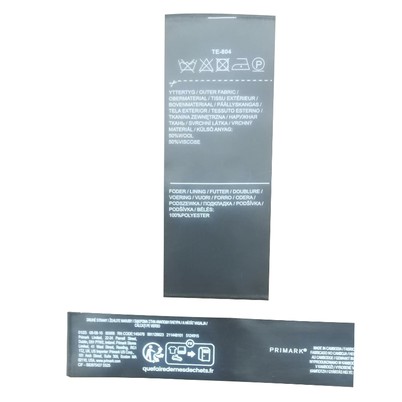
DuPont Washing Labels are designed to provide clear and accurate instructions for the care of garments. They are made from high-quality materials that are resistant to fading, tearing, and washing. The labels are printed with durable inks that can withstand multiple wash cycles without smudging or fading.
One of the key features of DuPont Washing Labels is their ability to provide detailed information about the specific care requirements of each garment. This includes instructions on the appropriate washing temperature, the type of detergent to use, whether the garment can be machine washed or dry cleaned, and any special precautions that need to be taken.
The labels are also designed to be easy to read and understand. They use standardized symbols and icons that are recognized worldwide, making it easier for consumers to follow the care instructions regardless of their language or cultural background.
Can I Use a Vinegar Rinse on a Garment with a DuPont Washing Label?
The answer to this question depends on several factors, including the type of fabric, the specific care instructions on the DuPont Washing Label, and the concentration of vinegar being used.
In general, vinegar rinses are safe to use on most natural fibers, such as cotton, linen, and wool. These fibers are relatively strong and can withstand the mild acidity of vinegar without being damaged. However, it's important to follow the care instructions on the DuPont Washing Label to ensure that the garment is not exposed to conditions that could cause damage.
For example, if the DuPont Washing Label indicates that the garment should be washed in cold water, it's best to use a vinegar rinse at the same temperature. Using hot water with a vinegar rinse can increase the risk of damage to the fabric, especially if it contains delicate fibers or dyes.
It's also important to use the correct concentration of vinegar. A general rule of thumb is to use 1/4 to 1/2 cup of white distilled vinegar per load of laundry. Using too much vinegar can increase the risk of damage to the fabric, while using too little may not provide the desired benefits.
When it comes to synthetic fabrics, such as polyester, nylon, and acrylic, the use of vinegar rinses is more controversial. Some synthetic fabrics are more resistant to acids than others, but in general, it's best to err on the side of caution and avoid using vinegar rinses on these types of fabrics unless the DuPont Washing Label specifically recommends it.
If you're unsure whether a vinegar rinse is safe to use on a particular garment, it's always a good idea to test a small, inconspicuous area first. Apply a small amount of diluted vinegar to the fabric and let it sit for a few minutes. Then, rinse the area thoroughly with water and check for any signs of damage, such as discoloration, fading, or weakening of the fibers. If there are no signs of damage, you can proceed with using a vinegar rinse on the entire garment.
Practical Tips for Using Vinegar Rinses
If you decide to use a vinegar rinse on a garment with a DuPont Washing Label, here are some practical tips to help you get the best results:
- Use the right type of vinegar: White distilled vinegar is the most commonly used type of vinegar for laundry purposes. It's relatively inexpensive, readily available, and has a milder odor than other types of vinegar, such as apple cider vinegar or balsamic vinegar.
- Dilute the vinegar: As mentioned earlier, it's important to use the correct concentration of vinegar. Diluting the vinegar with water can help to reduce the risk of damage to the fabric. You can add the vinegar to the rinse cycle of your washing machine or soak the garment in a vinegar solution for a few minutes before rinsing it thoroughly.
- Avoid using vinegar on delicate fabrics: Delicate fabrics, such as silk, lace, and satin, are more prone to damage from vinegar rinses. It's best to avoid using vinegar on these types of fabrics unless the DuPont Washing Label specifically recommends it.
- Rinse the garment thoroughly: After using a vinegar rinse, it's important to rinse the garment thoroughly with water to remove any residual vinegar. This can help to prevent the vinegar from causing damage to the fabric over time.
- Follow the care instructions on the DuPont Washing Label: The care instructions on the DuPont Washing Label are designed to provide the best possible care for the garment. It's important to follow these instructions carefully to ensure that the garment is not exposed to conditions that could cause damage.
Conclusion
In conclusion, vinegar rinses can be a safe and effective way to clean and care for many types of garments, including those with DuPont Washing Labels. However, it's important to use vinegar rinses correctly and to follow the care instructions on the DuPont Washing Label to ensure that the garment is not damaged.
If you have any further questions or concerns about using vinegar rinses on garments with DuPont Washing Labels, please don't hesitate to contact me. As a DuPont Washing Label supplier, I have extensive knowledge and experience in the field of garment care, and I'm happy to provide you with the information and advice you need to make the best decisions for your clothing.
Whether you're looking for an Ingredient Wash Label, a Barcode Wash Label, or a Recycled Soft Satin Label, I can provide you with high-quality products that meet your specific needs. If you're interested in learning more about our products or would like to discuss a potential purchase, please feel free to reach out. I'm here to assist you in finding the perfect washing labels for your garments and to ensure that your customers have all the information they need to care for their clothing properly.
References
- "The Science of Vinegar in Laundry." The Spruce, https://www.thespruce.com/using-vinegar-in-laundry-2146247.
- "DuPont Washing Labels: Care Instructions for Your Garments." DuPont, https://www.dupont.com/products/washing-labels.html.
- "How to Use Vinegar in the Laundry." Martha Stewart, https://www.marthastewart.com/265848/how-to-use-vinegar-in-the-laundry.