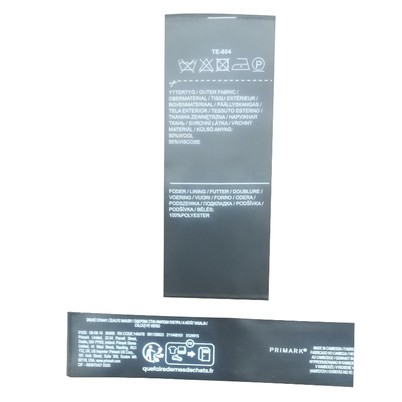
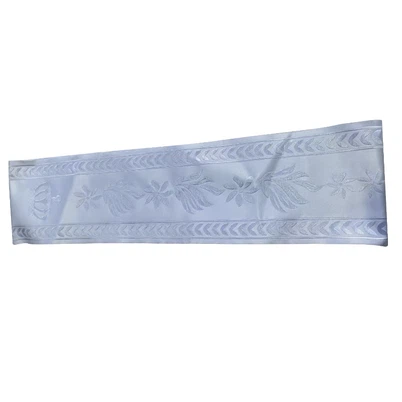
Do flat printed labels need to be laminated?
Leave a message

As a supplier of flat printed labels, I am often asked whether these labels need to be laminated. This is an important question that can significantly impact the performance, durability, and overall quality of the labels. In this blog post, I will explore the advantages and disadvantages of laminating flat printed labels, helping you make an informed decision about whether lamination is right for your specific needs.
Understanding Lamination
Lamination is a process where a thin layer of plastic film is applied to the surface of a label. This film can be made from various materials, such as polyester, polypropylene, or vinyl, and comes in different finishes, including gloss, matte, or satin. The lamination process can be carried out using heat and pressure or adhesive methods, depending on the type of label material and the desired outcome.
Advantages of Laminating Flat Printed Labels
1. Enhanced Durability
One of the primary benefits of laminating flat printed labels is increased durability. The plastic film acts as a protective barrier, shielding the label from scratches, abrasions, and wear and tear. This is particularly important for labels that will be exposed to harsh environments, such as outdoor use, industrial settings, or areas with high levels of friction. For example, if you are using labels on products that will be handled frequently, laminated labels can help maintain their appearance and legibility over time.
2. Improved Resistance to Moisture and Chemicals
Laminated labels are more resistant to moisture, water, and chemicals compared to non - laminated ones. The plastic film prevents liquids from seeping into the label material, which can cause ink bleeding, fading, or delamination. This makes them suitable for use on products that may come into contact with water, such as food containers, cosmetics, or industrial equipment. Moreover, laminated labels can withstand exposure to various chemicals, ensuring that they remain intact and readable in chemical - rich environments.
3. UV Protection
Sunlight and UV rays can cause labels to fade and lose their color intensity over time. Laminated labels offer UV protection, which helps preserve the vibrancy of the printed colors and extends the label's lifespan. This is especially crucial for outdoor applications, such as product labels on garden furniture, signage, or vehicle decals.
4. Enhanced Aesthetics
Lamination can enhance the visual appeal of flat printed labels. Glossy laminates give labels a shiny and professional look, making them stand out on the shelves. Matte laminates, on the other hand, provide a more subdued and sophisticated appearance, which can be ideal for high - end products. Satin laminates offer a balance between the two, with a soft sheen that adds a touch of elegance. For instance, Satin Pocket Security Label with a satin laminate can give a product a luxurious feel.
Disadvantages of Laminating Flat Printed Labels
1. Increased Cost
One of the main drawbacks of laminating flat printed labels is the additional cost. The lamination process requires additional materials and labor, which can add to the overall production cost of the labels. If you are working with a tight budget, non - laminated labels may be a more cost - effective option.
2. Thicker Profile
Laminated labels are thicker than non - laminated ones due to the addition of the plastic film. This can be a concern in some applications where a thin label profile is required, such as on products with small or irregular surfaces. The thicker label may also affect the flexibility of the label, making it less suitable for wrapping around curved objects.
3. Potential Delamination
In some cases, the lamination layer may delaminate from the label material over time. This can be caused by factors such as poor adhesion during the lamination process, exposure to extreme temperatures, or the use of incompatible materials. Delamination can lead to a compromised appearance and reduced durability of the label.
When to Laminate Flat Printed Labels
1. High - End Products
If you are labeling high - end products that require a premium look and feel, lamination is often a good choice. Laminated labels can enhance the perceived value of the product and make it more attractive to consumers. For example, Crochet Brand Trademark Labels on high - quality crochet products can benefit from lamination to give a more luxurious appearance.
2. Outdoor or Harsh Environments
Labels that will be exposed to outdoor conditions, such as sunlight, rain, and extreme temperatures, or harsh industrial environments with chemicals and abrasion, should be laminated. Lamination provides the necessary protection to ensure that the labels remain legible and intact for an extended period.
3. Long - Term Use
For products with a long shelf life or those that will be in use for an extended time, laminated labels are a better option. They can withstand the test of time and maintain their appearance and functionality throughout the product's lifecycle.
When Not to Laminate Flat Printed Labels
1. Budget Constraints
If cost is a major concern, non - laminated labels are a more economical choice. You can still achieve good print quality and a reasonable level of durability without the added expense of lamination.


2. Thin or Flexible Applications
When a thin and flexible label is required, such as for applications where the label needs to conform to a curved surface, non - laminated labels may be more suitable. The absence of the lamination layer allows for greater flexibility and a thinner profile.
Conclusion
In conclusion, whether flat printed labels need to be laminated depends on several factors, including the intended use, environment, budget, and aesthetic requirements. Laminating flat printed labels offers numerous benefits in terms of durability, resistance to moisture and chemicals, UV protection, and aesthetics. However, it also comes with some drawbacks, such as increased cost and a potentially thicker profile.
As a supplier of flat printed labels, I can help you determine the best solution for your specific needs. If you are considering using labels for your products and are unsure whether lamination is right for you, I encourage you to contact me for a consultation. We can discuss your requirements in detail and provide you with samples of both laminated and non - laminated labels so that you can make an informed decision. Whether you need Armband Label, security labels, or any other type of flat printed label, I am here to assist you in finding the perfect solution.
Feel free to reach out to me to start a discussion about your label requirements. Let's work together to create labels that meet your quality standards, budget, and performance needs.
References
- "Labeling and Identification Best Practices," Industry Standard Publications
- "The Science of Label Lamination," Packaging Technology Journal
- "Durability Testing of Printed Labels," Material Science Research Group