Can satin pocket security labels be used on food products?
Leave a message

Hey there! As a supplier of Satin Pocket Security Labels, I often get asked a bunch of questions about where and how these labels can be used. One question that pops up quite a bit is, "Can satin pocket security labels be used on food products?" Well, let's dive right into it and find out.
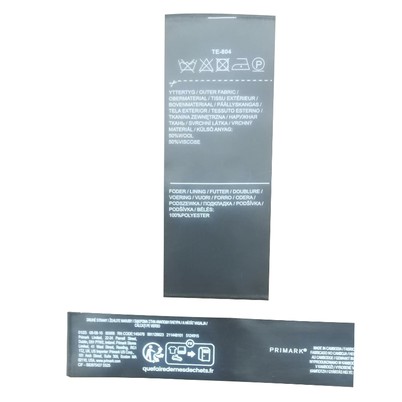
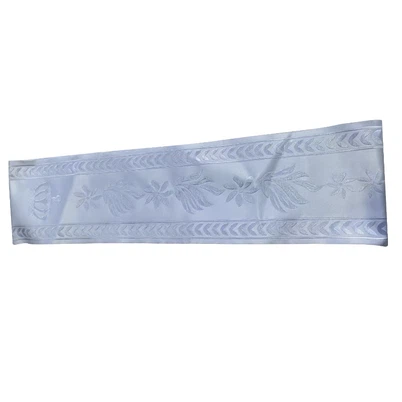
First off, let's understand what satin pocket security labels are. These labels are designed with a special satin - like pocket that can hold things like RFID tags, holographic elements, or other security features. They're pretty versatile and are commonly used in various industries for anti - theft, brand protection, and product authentication purposes.


When it comes to food products, there are a whole bunch of factors we need to consider. The most important one is safety. Food is something that we put into our bodies, so any label used on it has to meet strict safety standards.
Safety Regulations
Food safety regulations vary from country to country. In the United States, the Food and Drug Administration (FDA) has a set of rules that govern what can and cannot come into contact with food. These rules are in place to protect consumers from any potential harm that could come from chemicals or materials used on food packaging.
Satin pocket security labels are typically made from materials like polyester or other synthetic fabrics. These materials usually don't pose a direct health risk. However, the adhesives used to attach the labels to the packaging are a different story. Some adhesives might contain chemicals that could leach into the food if they're in direct contact with it. So, it's crucial to use adhesives that are approved for food contact.
Compatibility with Food Packaging
Another thing to think about is how well the satin pocket security labels work with different types of food packaging. There are all sorts of packaging materials out there, like plastic, glass, and cardboard.
For plastic packaging, the label needs to stick well without leaving any residue when it's removed. Some plastics have a smooth surface, which can make it a bit tricky for the label to adhere. But with the right adhesive, we can usually get a good bond.
Glass packaging is also a common choice for food products. The label should be able to withstand the temperature changes that might occur during storage and transportation. For example, if the food is refrigerated, the label shouldn't peel off or lose its integrity.
Cardboard packaging is often used for dry goods. Satin pocket security labels can work well on cardboard, but we need to make sure that the label doesn't absorb moisture from the environment, which could cause it to tear or lose its adhesive properties.
Benefits of Using Satin Pocket Security Labels on Food Products
Now, let's talk about why you might want to use these labels on food products in the first place.
Anti - Theft
One of the biggest benefits is anti - theft. Food stores often deal with shoplifting, and satin pocket security labels can help prevent that. The RFID tags that can be placed inside the satin pocket can trigger an alarm if someone tries to leave the store without paying. This not only saves the store money but also helps keep the prices down for consumers.
Brand Protection
Counterfeiting is a huge problem in the food industry. Fake food products can not only damage a brand's reputation but also pose a serious health risk to consumers. Satin pocket security labels can include features like Hologram Label Sticker that are difficult to replicate. This helps consumers identify genuine products and gives them peace of mind when they're making a purchase.
Product Authentication
These labels can also be used for product authentication. By including unique codes or markings on the label, manufacturers can track their products from the factory to the store shelf. This helps ensure that the food is fresh, hasn't been tampered with, and is being stored under the right conditions.
Potential Challenges
Of course, there are also some challenges when using satin pocket security labels on food products.
Cost
Adding security labels to food packaging can increase the cost of production. This might be a concern for some manufacturers, especially those who are operating on a tight budget. However, when you consider the potential savings from reduced theft and brand protection, the cost might be worth it in the long run.
Aesthetics
Food packaging is all about attracting consumers. Some satin pocket security labels might not look as sleek or appealing as the regular packaging. This could potentially affect the product's sales. But with some creative design, we can make the labels blend in better with the overall packaging.
Other Types of Labels for Food Products
If satin pocket security labels aren't the right fit for your food products, there are other options available. For example, Armband Label can be used for promotional purposes or to provide additional information about the product. And Mueller Trademark labels are great for brand protection and authentication.
Conclusion
So, can satin pocket security labels be used on food products? The answer is yes, but with some precautions. As long as the materials and adhesives used are safe for food contact, and the labels are compatible with the packaging, they can be a great addition to food products. They offer benefits like anti - theft, brand protection, and product authentication.
If you're a food manufacturer or retailer and you're interested in using satin pocket security labels for your products, I'd love to chat with you. We can discuss your specific needs and find the best solution for your business. Whether it's about choosing the right adhesive, designing the label to fit your packaging, or finding the most cost - effective option, I'm here to help.
References
- Food and Drug Administration (FDA). "Guidance for Industry: Preparation of Food Contact Notifications."
- Various industry reports on food packaging and security labels.