How to store flat printed labels in a way that preserves their adhesive quality?
Leave a message

As a supplier of flat printed labels, I understand the importance of preserving the adhesive quality of these labels during storage. The adhesive is a critical component that ensures the labels adhere properly to various surfaces, and improper storage can lead to a loss of adhesion, rendering the labels ineffective. In this blog post, I will share some practical tips on how to store flat printed labels in a way that preserves their adhesive quality.
Understanding the Factors Affecting Adhesive Quality
Before delving into storage methods, it's essential to understand the factors that can affect the adhesive quality of flat printed labels. These factors include temperature, humidity, light, and pressure.
- Temperature: Extreme temperatures can have a significant impact on the adhesive. High temperatures can cause the adhesive to soften and become sticky, leading to labels sticking together. On the other hand, low temperatures can make the adhesive brittle and reduce its ability to adhere properly.
- Humidity: Excessive humidity can cause the adhesive to absorb moisture, which can weaken its bonding strength. In addition, high humidity can also lead to the growth of mold and mildew on the labels, which can further damage the adhesive.
- Light: Prolonged exposure to sunlight or other sources of ultraviolet (UV) light can cause the adhesive to degrade over time. UV light can break down the chemical bonds in the adhesive, reducing its adhesion strength.
- Pressure: Applying excessive pressure on the labels during storage can cause the adhesive to transfer from one label to another, resulting in labels sticking together. This can also damage the labels and make them difficult to separate.
Choosing the Right Storage Environment
To preserve the adhesive quality of flat printed labels, it's crucial to choose the right storage environment. Here are some recommendations:
- Temperature Control: Store the labels in a cool, dry place with a temperature range of 18°C to 22°C (64°F to 72°F). Avoid storing the labels in areas that are exposed to direct sunlight or near heat sources, such as radiators or heaters.
- Humidity Control: Maintain a relative humidity level of 40% to 60% in the storage area. You can use a dehumidifier or a humidifier to control the humidity level, depending on the climate in your area.
- Light Protection: Store the labels in a dark or low-light environment to protect them from UV light. You can use opaque storage containers or cover the labels with a light-blocking material, such as black plastic sheeting.
- Pressure Avoidance: Avoid stacking the labels too tightly or applying excessive pressure on them. Use storage containers or racks that allow the labels to be stored flat and without being compressed.
Proper Label Handling and Packaging
In addition to choosing the right storage environment, proper label handling and packaging are also essential for preserving the adhesive quality of flat printed labels. Here are some tips:
- Clean Hands: Always handle the labels with clean hands to avoid transferring dirt, oil, or moisture to the adhesive. Wear gloves if necessary to prevent direct contact with the labels.
- Avoid Folding or Creasing: Do not fold or crease the labels, as this can damage the adhesive and reduce its adhesion strength. If the labels need to be cut or trimmed, use a sharp blade or scissors to ensure a clean cut.
- Use Protective Packaging: Package the labels in a protective material, such as plastic bags or envelopes, to prevent them from being damaged during storage and transportation. You can also use interleaving paper or tissue paper between the labels to prevent them from sticking together.
- Label Orientation: Store the labels in the same orientation as they were printed to avoid any stress or strain on the adhesive. This will help to ensure that the adhesive remains intact and maintains its adhesion strength.
Specific Storage Solutions for Different Types of Labels
Different types of flat printed labels may require different storage solutions to preserve their adhesive quality. Here are some specific recommendations for common types of labels:
- Paper Labels: Paper labels are more sensitive to humidity and temperature changes than other types of labels. Store paper labels in a sealed plastic bag or container to protect them from moisture. You can also add a desiccant packet to the container to absorb any excess moisture.
- Vinyl Labels: Vinyl labels are more durable and resistant to moisture and temperature changes than paper labels. However, they can still be affected by UV light and pressure. Store vinyl labels in a cool, dry place away from direct sunlight and avoid stacking them too tightly.
- Hologram Label Sticker: Hologram Label Sticker are often used for security and branding purposes. These labels are typically made of a thin, flexible material with a holographic image. Store hologram label stickers in a flat, protective container to prevent them from being scratched or damaged. Avoid exposing them to UV light or excessive heat, as this can cause the holographic image to fade or distort.
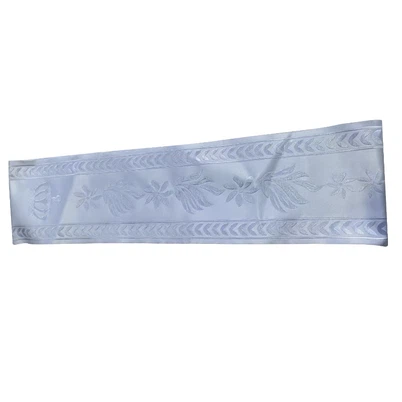
- Satin Brand Label: Satin Brand Label are known for their smooth, luxurious appearance. These labels are often made of a satin or polyester material with a printed design. Store satin brand labels in a cool, dry place away from direct sunlight and moisture. You can use a soft, padded storage container to protect them from being crushed or wrinkled.
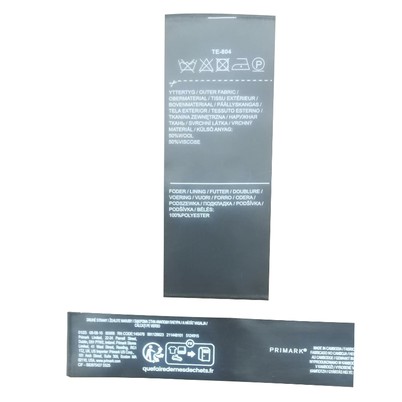
- Woven Satin Labels for Clothing: Woven Satin Labels for Clothing are commonly used to label clothing items. These labels are made of a woven satin material with a printed or embroidered design. Store woven satin labels for clothing in a flat, protective container to prevent them from being stretched or distorted. Avoid exposing them to excessive heat or moisture, as this can cause the fabric to shrink or fade.
Regular Inspection and Maintenance
To ensure that the adhesive quality of flat printed labels is preserved, it's important to conduct regular inspections and maintenance of the storage area and the labels themselves. Here are some recommendations:
- Inspect the Storage Area: Regularly check the storage area for signs of moisture, mold, or mildew. If you notice any issues, take immediate action to address them, such as using a dehumidifier or cleaning the storage area.
- Inspect the Labels: Periodically inspect the labels for signs of damage, such as peeling, cracking, or discoloration. If you notice any issues, remove the damaged labels from the storage area to prevent them from affecting the other labels.
- Rotate the Stock: If you have a large inventory of labels, it's a good idea to rotate the stock regularly to ensure that the oldest labels are used first. This will help to prevent the labels from sitting in storage for too long and potentially losing their adhesive quality.
Conclusion
Proper storage is essential for preserving the adhesive quality of flat printed labels. By understanding the factors that can affect the adhesive, choosing the right storage environment, handling and packaging the labels properly, and conducting regular inspections and maintenance, you can ensure that your labels remain in good condition and maintain their adhesion strength. If you have any questions or need further advice on storing flat printed labels, please feel free to contact us for more information. We are always happy to help you find the best storage solutions for your labels.


References
- Packaging Machinery Manufacturers Institute (PMMI). (2021). Best Practices for Label Storage and Handling. Retrieved from https://www.pmmi.org/
- Label and Narrow Web. (2020). How to Store Labels Properly. Retrieved from https://www.labelandnarrowweb.com/
- 3M. (2021). Label Storage and Handling Guidelines. Retrieved from https://www.3m.com/